
Three Rulers for Greener Packaging
The Floor Opens Today in Shanghai
interpack China 2026 (formerly swop Packaging World Expo) opens today at the Shanghai New International Expo Centre and runs for three days. According to the official website: exhibition area of 70,000 ㎡, more than 970 exhibitors, and an expected 47,000+ professional visitors from 122 countries and regions.
The exhibition areas cover processing and packaging machinery, packaging materials and containers, innovative packaging materials and products, printing labels, and packaging design. For those in the gift box business, what is worth noting is not single-machine speed but the materials zone and design zone: for the same box, changing the substrate means the entire downstream process must change with it.
Three National Standards, Three Rulers
All three standards were released on October 30 and take effect at two different dates. Each governs one thing——do not mix them up.
The division of labor is actually clear: one standard calculates the factory——how enterprise emissions are aggregated and reported; one calculates the individual box——how the carbon footprint of a single product is quantified; one provides grading——whether it qualifies as “green” and by what indicators. The first two provide numbers; the last provides judgment.
Four Parameters That Must Be Stated Clearly for Carbon Footprint
“This box is eco-friendly” is a sentence; “this box emits 0.4 kg CO₂ equivalent per unit” is a number. Between them lie four parameters that must be clearly stated.
Three Reduction Paths on the Exhibition Floor
Mono-material
Composite films are laminated from multiple layers, making separation difficult at the recycling end and resulting in downgrading; all-PE or all-PP bags can enter the recycling stream whole, at the cost of reduced barrier properties, which must be compensated through coatings and structure.
Component Reduction
One less paper sleeve, one less plastic window, one less unnecessary insert. Component reduction does not change the aesthetic logic but is one of the fastest-acting steps in weight reduction.
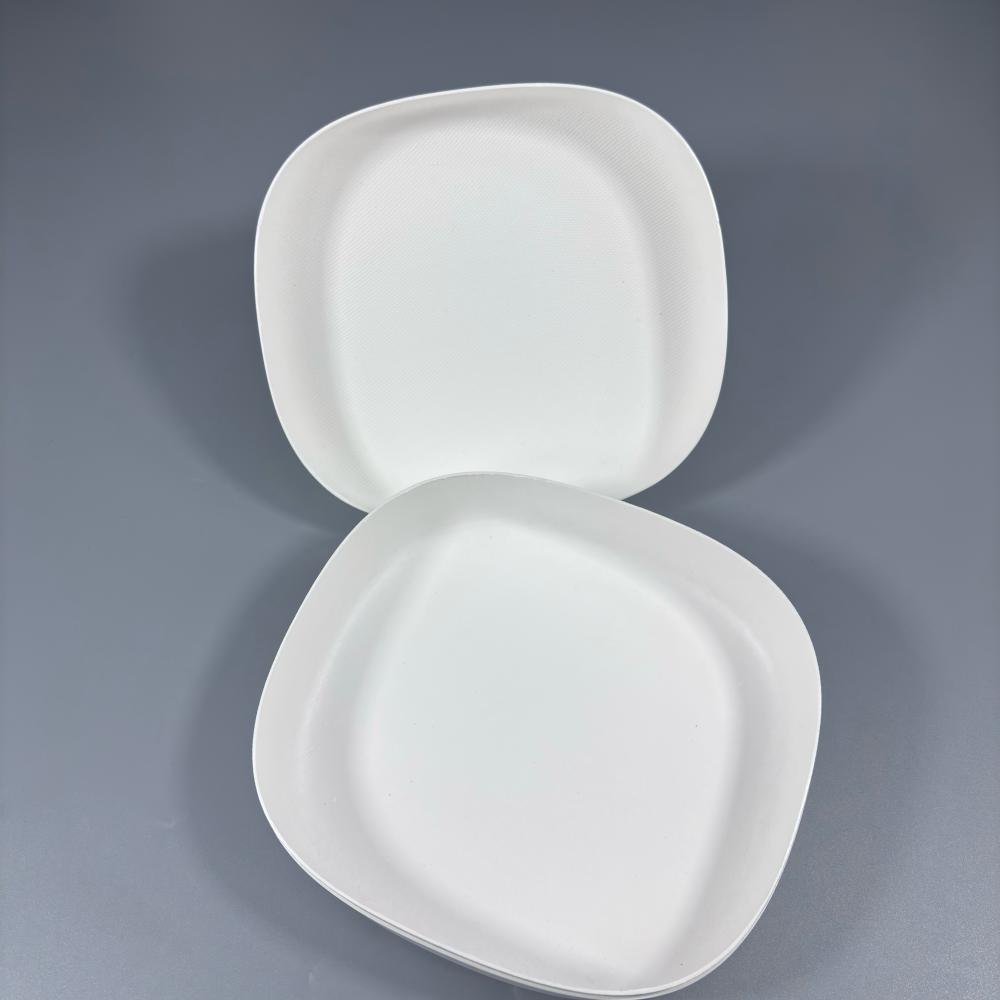
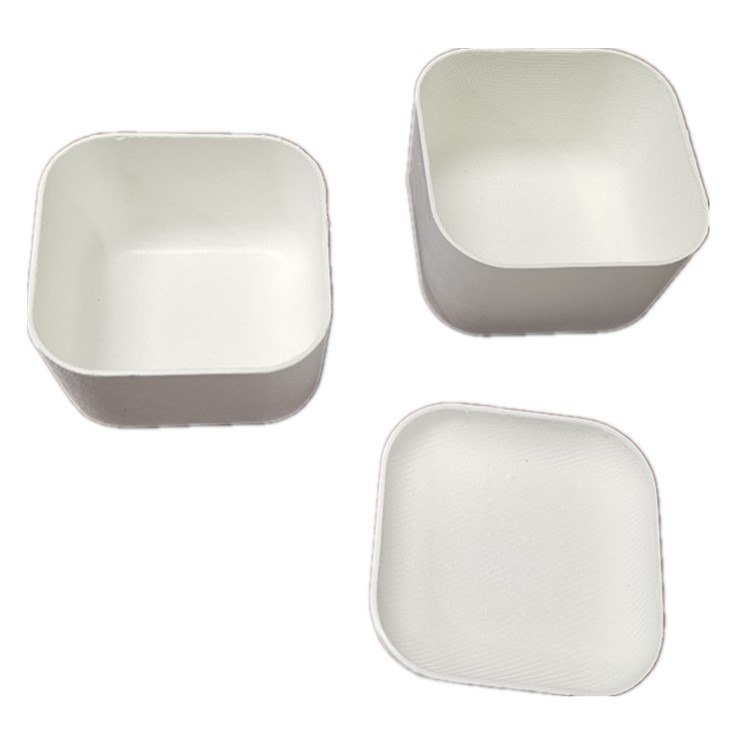
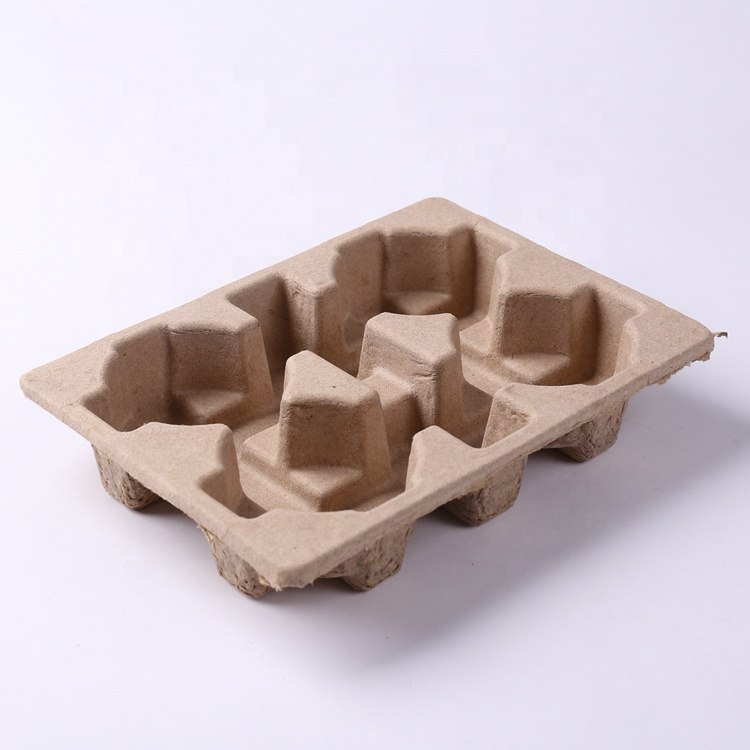
Pulp Molding
Replaces EVA and foam inserts: recyclable along the same path as paper, compostable. The shortfall is precision and hand-feel——dry-pressed is fine, wet-pressed is smooth, and deep-cavity forming is limited by the mold.
Three Conflicts Between Craft and Recycling
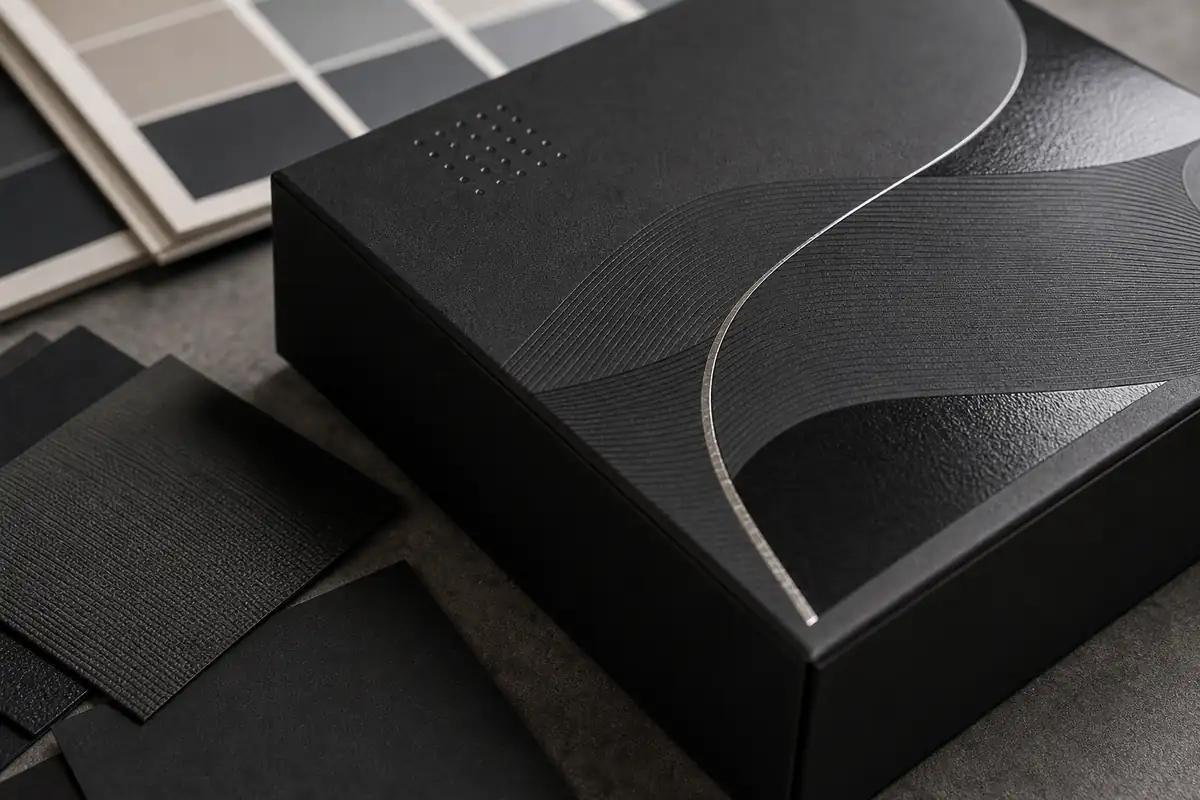
Three processes commonly found on premium gift boxes happen to be “contaminants” at the recycling end. It is not that they cannot be used, but that area and placement must be restrained.
Subtract First in Structure
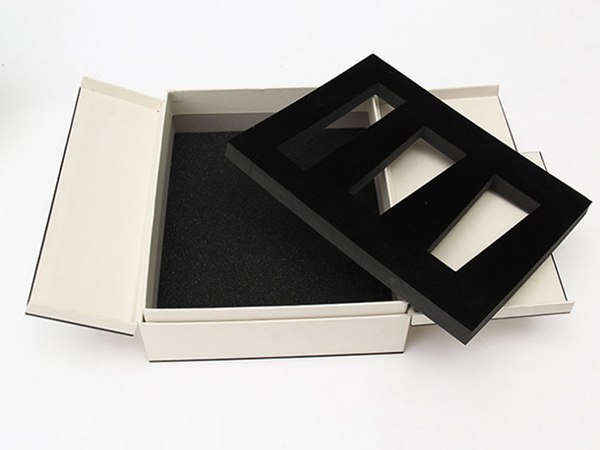
Reduction is not about making the box smaller; it starts with three questions: Does this layer have to exist? Does this accessory have to be included? Does this insert have to be foam? The answer is often no, and the appearance is barely affected.
Rigid lid-and-base boxes can drop the insert in favor of a paper tray; book-style boxes can lose a paper sleeve and reduce magnetic closures from four points to two; drawer boxes can have their slides made from paper structures. Finish the subtraction, then discuss craft——reverse the order, and the budget will be spent on things you cannot see.
Going forward, whether a box is good depends not only on how it looks, but also on whether it can be accounted for clearly
Related Articles
From before the show opens to after exhibitors move out, what is the packaging industry talking about this month?
Today, the China Packaging Federation began on-site registration in Xiamen; tomorrow, ALLFORPACK opens in Paris; last week, interpack China wrapped up in Pudong. Three cities, the before, during, and after of a single exhibition, happen to form a line.
💡 Premium Gift Box Materials | PPWR Compliance Pitfalls Guide for Export Packaging
Calling all those working on high-end gift boxes and packaging for aromatherapy / jewelry / designer toy IPs✨ We've compiled the latest November raw material market trends + key EU PPWR compliance points—a direct reference for sampling and quotations!